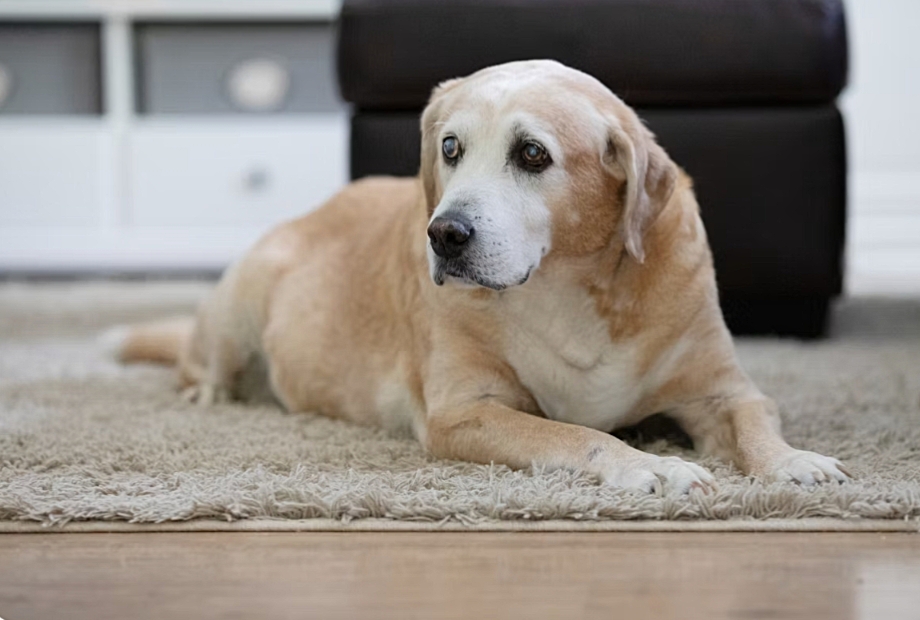
How to Keep Senior Dogs Cool and Comfortable This Summer – Vet-Approved Tips
Practical, gentle ways to protect your older dog when the temperature climbs

My neighbor’s old beagle, Max, used to stretch out flat on the kitchen tiles every June like it was his summer job. She thought it was cute. Her vet told her it was actually Max’s body begging for a cooler surface. Senior dogs don’t handle heat the way they used to, and most owners don’t realize it until things get scary. Here’s what actually helps.
Table of Contents
Why Summer Heat Hits Senior Dogs Harder
Older dogs cool down less efficiently than younger ones. Arthritis and stiff joints make it harder for them to move to shade on their own. Many senior dogs also carry extra weight or have heart and lung conditions that make heat regulation tougher. Add a thinning coat or slower metabolism, and a warm afternoon that a young dog shrugs off can genuinely stress an older one’s body. This isn’t about babying your dog — it’s about understanding that their internal thermostat just isn’t what it used to be.

Warning Signs of Heat Stress You Shouldn’t Ignore
Heavy panting that doesn’t slow down, bright red gums, drooling more than usual, wobbly back legs, or a sudden urge to lie down and not move are all red flags. If your dog seems disoriented or collapses, that’s an emergency — get them into shade, offer small sips of cool (not ice-cold) water, and call your vet immediately. According to the American Veterinary Medical Association, heatstroke in dogs can progress quickly, so acting fast matters more than waiting to see if it passes.
Simple Ways to Keep Your Senior Dog Cool
You don’t need anything fancy to make summer easier on an aging dog. A few small habit changes go a long way:
- Walk early or late. Skip the midday sun. Morning and evening walks are gentler on stiff joints and hot pavement.
- Test the pavement. Press your palm to the sidewalk for five seconds. If it’s too hot for your hand, it’s too hot for their paws.
- Keep water everywhere. Multiple bowls around the house and yard encourage more frequent sipping.
- Offer a cool resting spot. Tile floors, shaded patios, or a fan pointed at their favorite bed all help.
- Watch meal timing. Digestion generates heat, so lighter meals in the cooler parts of the day can ease the load on a hot afternoon.

Best Cooling Products for Older Dogs
These are real, well-known products that many senior dog owners rely on during hot months. None of these replace vet advice, but they can make daily comfort a lot easier.

K&H Pet Products Cool Bed III
A self-cooling mat bed that uses gel technology, popular for arthritic and senior dogs.
Check Price on Amazon
Arf Pets Self Cooling Mat
A pressure-activated cooling gel mat, easy to fold and move between rooms or crates.
Check Price on Amazon
Ruffwear Swamp Cooler Vest
An evaporative cooling vest for dogs who still enjoy short walks or yard time in the heat.
Check Price on Amazon
PetSafe Drinkwell Fountain
A circulating water fountain that encourages senior dogs to drink more, which supports hydration in heat.
Check Price on AmazonFor more on everyday comfort, check out our guide on preventive care for senior dogs and our article on protecting paws from hot pavement.
Frequently Asked Questions
What temperature is too hot for a senior dog?
Most vets suggest caution once temperatures pass 85°F (29°C), especially with humidity. Senior dogs, flat-faced breeds, and overweight dogs are at higher risk even at lower temperatures.
Can I use ice packs directly on my dog to cool them down?
No. Direct ice or very cold water can cause blood vessels to constrict and actually trap heat inside. Use cool, room-temperature water and wet towels instead, and check with your vet if you suspect heatstroke.
How much water should a senior dog drink in summer?
It varies by size and health, but most dogs need roughly 1 ounce of water per pound of body weight daily, more in hot weather. Talk to your vet if your dog has kidney or heart conditions affecting fluid intake.
Should senior dogs skip walks entirely in summer?
Not necessarily. Shorter walks during cooler morning or evening hours are usually fine. Watch for panting, limping, or reluctance to continue, and head home if you notice any of these.
Keep Your Senior Dog Safe All Summer
Small changes in routine can make a huge difference in how your older dog feels this season.
Read Our Full Senior Dog Care Guide
We research pet care topics carefully and talk to real pet owners before publishing. This article is for general information and isn’t a substitute for advice from your veterinarian.
Leave a Reply