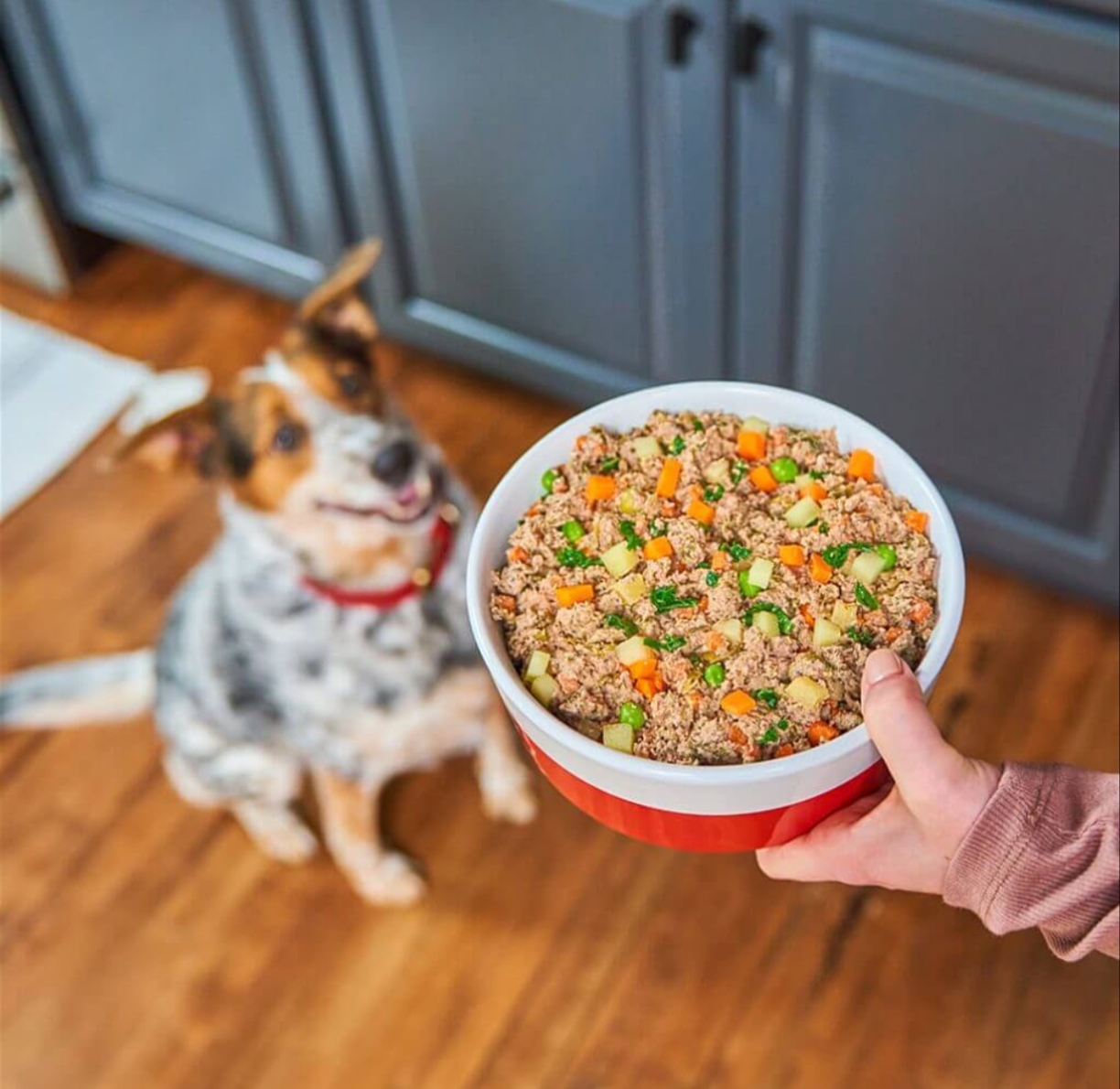
Premium Pet Food Trends: Can Better Nutrition Save You Money on Vet Bills?
Real talk on food quality, vet visits, and what actually matters for your dog or cat.

My neighbor spent almost $600 at the vet last year for a dog with chronic digestive issues. The vet’s first question wasn’t about symptoms. It was, “What are you feeding him?” That conversation stuck with me. Food isn’t just fuel. It’s one of the few daily choices we control that actually affects our pet’s long-term health.
Premium pet food has become a bigger part of the conversation lately, and for good reason. Let’s look at what’s real, what’s hype, and how to make smart choices without draining your wallet.
Why Pet Parents Are Rethinking Pet Food
More owners are reading ingredient labels the way they read their own grocery items. Recognizable proteins, fewer fillers, and clear sourcing matter to people now. It’s not about buying the fanciest bag on the shelf. It’s about understanding what’s actually going into your pet’s body every single day.

How Nutrition Connects to Fewer Vet Visits
According to the American Veterinary Medical Association, diet plays a major role in weight management, digestion, and skin and coat health. Overweight pets are more prone to joint stress and other complications, and poor-quality diets can contribute to chronic digestive upset over time.
This doesn’t mean expensive food is a magic shield. It means consistent, appropriate nutrition reduces some preventable risks. Regular checkups still matter, no matter what’s in the bowl.

What to Actually Look for on the Label
Skip the marketing buzzwords and check for an AAFCO nutritional adequacy statement. This tells you the food meets established nutrient standards for your pet’s life stage, whether that’s growth, adult maintenance, or senior care. The FDA’s pet food guidance is also a solid resource if you want to understand labeling rules.
Related read: [Internal Link: Senior Dog Summer Care Guide] and [Internal Link: Raw Feeding Safety Tips].
Switching Food Without Overspending
You don’t need the priciest bag to feed well. Compare cost per pound of actual food, not just the sticker price. Buying larger bags, subscribing for discounts, and avoiding constant brand-hopping all help. If your pet has specific health needs, ask your vet before switching, since some conditions call for a therapeutic diet rather than a generic “premium” one.
Also check out: [Internal Link: Dog Paw Protection Guide] for more everyday pet care tips.

Frequently Asked Questions
Is premium pet food really worth the extra cost?
It depends on your pet and the specific food. Better ingredients and digestibility can help, but check the AAFCO statement rather than trusting the price alone.
Can changing my pet’s food really reduce vet visits?
Good nutrition supports healthy weight, digestion, and immunity, which can lower certain diet-related risks. It’s not a guarantee, and checkups still matter.
How do I know if a pet food meets nutritional standards?
Look for the AAFCO nutritional adequacy statement confirming it’s formulated for your pet’s life stage.
Should I switch my pet’s food gradually or all at once?
Gradually, over 7 to 10 days, mixing old and new food to avoid stomach upset.
Recommended Products
A widely used, vet-recommended formula for everyday adult dog nutrition.
Check Price on AmazonA trusted formula with real meat as the first ingredient.
Check Price on AmazonFormulated for specific life stages and breed needs in cats.
Check Price on AmazonA popular choice for owners looking for natural ingredients with no chicken by-product meal.
Check Price on AmazonFinal Thoughts
Feeding your pet well isn’t about chasing trends. It’s about reading labels, asking your vet good questions, and making steady, informed choices. Start by checking what’s currently in your pet’s bowl, compare it against the AAFCO statement, and go from there. Your pet, and your future vet bill, will likely thank you.

Can writes about practical, honest pet care for everyday dog and cat owners across the US.
Leave a Reply