
Senior Dog Care Guide 2026: Joint Support, Pain Relief & Longevity Tips Every US Owner Needs
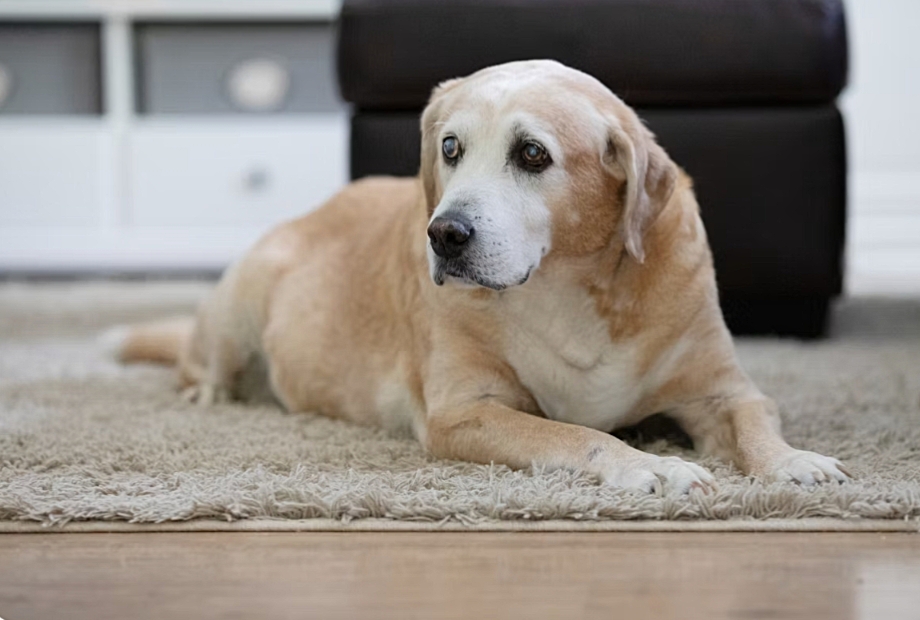
Watching your dog slow down is hard. One day they’re bounding up the stairs, and the next they’re hesitating at the bottom, thinking twice. If that sounds familiar, you’re not alone. Millions of US dog owners are navigating the same thing right now. This guide breaks down what actually helps senior dogs feel better, stay mobile, and enjoy their golden years.
Signs Your Dog Is Entering Its Senior Years
Aging looks different for every dog. Large breeds like Labs or Great Danes often become “senior” around 6–7 years old, while small breeds may not show changes until 10 or later. Watch for stiffness after naps, slower walks, trouble jumping onto the couch, or a bit more sleeping. None of this means panic. It just means it’s time to adjust your care routine.

Joint Support for Senior Dogs
Arthritis is one of the most common issues in aging dogs. It’s not curable, but it’s very manageable. Glucosamine and chondroitin supplements are widely used to support cartilage and reduce stiffness. Omega-3 fatty acids from fish oil can also help calm joint inflammation. Talk to your vet before starting anything new, since dosage depends on your dog’s weight and health history.
A simple ramp for the car or bed, non-slip rugs on hardwood floors, and a supportive orthopedic bed can make a real daily difference too.
Managing Pain at Home
Dogs are experts at hiding pain. Limping, reluctance to go for walks, or sudden grumpiness can all be signs of discomfort. Never give human pain medication to a dog — many, including ibuprofen and Tylenol, are toxic to them. Instead, ask your vet about dog-safe options like NSAIDs prescribed specifically for canines, or complementary therapies such as gentle massage, warm compresses, and low-impact swimming.
According to the American Veterinary Medical Association, regular wellness checks become even more important as dogs age, since early detection of arthritis or organ changes leads to better outcomes.

Diet, Exercise & Longevity Habits
Senior dogs need fewer calories but more targeted nutrition. Look for senior-formula foods with controlled fat, added joint support, and easily digestible protein. Short, frequent walks beat one long walk — they keep joints moving without overloading them. Mental stimulation matters too. Puzzle feeders and gentle training games keep their mind sharp, which research from the American Kennel Club links to better quality of life in older dogs.

Recommended Products for Senior Dog Care

Cosequin Maximum Strength Joint Supplement
Vet-recommended glucosamine and chondroitin formula for dogs.
Check Price on Amazon
Zesty Paws Mobility Bites
Soft chews with glucosamine, MSM, and turmeric for joint comfort.
Check Price on Amazon
PetHonesty Hip & Joint Chews
Ten-in-one formula supporting mobility, skin, and digestion.
Check Price on Amazon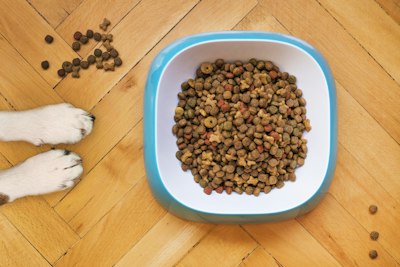
Purina Pro Plan Bright Mind Senior 7+
Senior formula dog food with joint and brain-supporting nutrients.
Check Price on AmazonRelated reading: Best Orthopedic Dog Beds for Arthritis | How to Choose Dog Probiotics | Complete Guide to Pet Insurance in the US
Frequently Asked Questions
At what age is a dog considered a senior?
It varies by breed and size. Small breeds are usually seniors around age 10–12, medium breeds around 8–10, and large or giant breeds as early as 6–7.
Are joint supplements safe for all senior dogs?
Most are well-tolerated, but always check with your vet first, especially if your dog has kidney issues or takes other medications.
How can I tell if my dog is in pain?
Look for limping, reluctance to move, panting at rest, changes in appetite, or unusual irritability. A vet visit can confirm the cause.
Can diet really extend a senior dog’s life?
Diet alone isn’t magic, but the right nutrition supports healthy weight, joint function, and organ health, all of which contribute to a longer, more comfortable life.
Subscribe to The Happy Pet Hub newsletter for weekly senior pet advice.

Jamie writes about practical, everyday pet care for The Happy Pet Hub, focusing on senior pet wellness and real-life owner experiences.
Leave a Reply