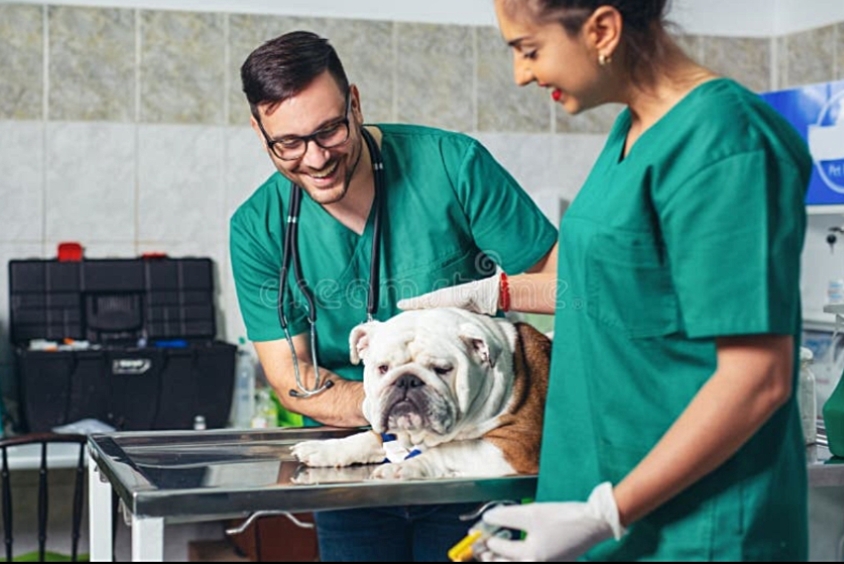
Best Ways to Save Money on Pet Care in 2026 Without Sacrificing Your Dog or Cat’s Health
Smart budgeting for vet bills, food, and everyday care — no shortcuts on wellbeing.

Pet care costs have crept up again in 2026, but a bigger vet bill doesn’t have to mean worse care for your dog or cat. Most of the real savings come from timing, planning, and knowing which corners are safe to cut — and which never are. Here’s where to actually save.
1. Preventive Care Beats Emergency Bills
An annual wellness exam costs a fraction of an emergency visit. Vets routinely catch dental disease, early kidney changes, and weight issues at checkups — problems that turn into thousand-dollar treatments if left unnoticed. Staying current on core vaccines and parasite prevention is one of the cheapest forms of insurance you can buy for your pet.
- Book wellness exams even when your pet “seems fine”
- Keep dental cleanings on schedule — dental disease is a top driver of surprise costs
- Ask your vet which screenings matter most for your pet’s age and breed
2. Consider Pet Insurance or a Wellness Plan
Enrolling a young, healthy pet in insurance locks in lower premiums and avoids pre-existing condition exclusions later. Even a basic accident-and-illness plan can turn a $3,000 emergency into a predictable monthly cost. Some clinics also offer in-house wellness plans that bundle checkups, vaccines, and dental cleanings at a discount.
3. Budget-Friendly Food That Doesn’t Cut Corners
Price and nutrition aren’t always linked. Look for foods that meet AAFCO nutritional standards for your pet’s life stage, then compare cost per pound rather than price per bag. Larger bags, subscribe-and-save programs, and store-brand options that meet the same standards as premium brands can meaningfully lower your monthly spend.
- Buy the largest bag size you can store and use before the “best by” date
- Set up a recurring subscription for automatic discounts
- Avoid switching foods too often — it wastes money and can upset digestion

4. Free and Low-Cost Vet Resources
Nonprofit clinics, mobile vaccine events, and veterinary school teaching hospitals offer routine care — vaccines, spay/neuter, basic checkups — at a fraction of private clinic rates, staffed by licensed professionals. Many local humane societies also run low-cost wellness days throughout the year, which is worth checking before assuming a full-price vet visit is your only option.
5. Smart Products That Prevent Bigger Costs
A few well-chosen products can head off expensive problems down the line.
Dental Chews
Daily dental chews help slow plaque buildup between cleanings, which can reduce how often your pet needs a professional dental procedure.
Check Prices on AmazonJoint Supplements
Starting a joint supplement early for medium and large breeds may help delay costlier mobility issues later in life.
Check Prices on AmazonAirtight Food Storage Container
Buying food in bulk only saves money if it stays fresh — an airtight container prevents waste from staleness or pests.
Check Prices on AmazonFrequently Asked Questions
What is the single best way to save money on pet care?
Preventive care. Annual checkups, dental cleanings, and staying current on parasite prevention catch small problems before they become expensive emergencies.
Is pet insurance worth it in 2026?
For most owners, yes — especially when you enroll while your pet is young and healthy. It trades an unpredictable emergency bill for a predictable monthly cost.
Can I switch to cheaper pet food without hurting my pet’s health?
Yes, as long as you compare ingredient quality and AAFCO compliance rather than just the price tag, and transition gradually to avoid digestive upset.
Are low-cost vet clinics safe to use?
Generally, yes. Nonprofit clinics and veterinary teaching hospitals are staffed by licensed vets and are a solid option for routine and preventive care.
Saving money on pet care in 2026 isn’t about avoiding the vet or buying the cheapest food on the shelf — it’s about spending intentionally on the things that prevent bigger costs later. A little planning now protects both your budget and your pet’s health.
Leave a Reply