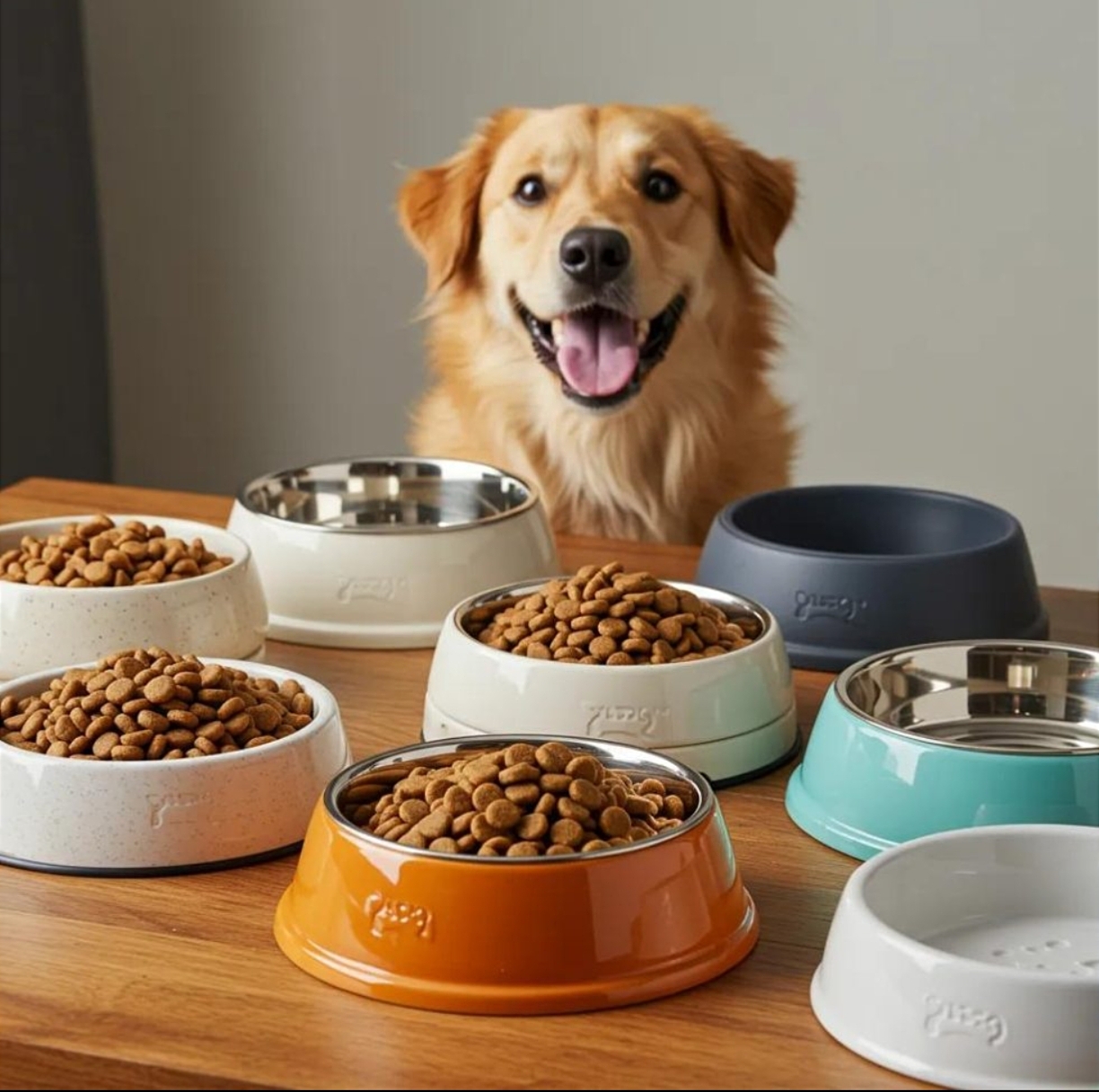
Best Premium & Freeze-Dried Dog Food in 2026: Complete Guide for Healthier Pets
A practical, honest guide to help you choose real, high-quality food your dog will thrive on.

I still remember the first time I stood in the pet food aisle, completely stuck. Every bag said “premium.” Every bag promised “natural” and “complete nutrition.” But my dog kept scratching, and her coat looked dull. That’s when I actually started digging into what premium and freeze-dried dog food really mean, and how they’re different from the bag I’d been buying for years.
If you’re here, you’re probably feeling the same confusion. So let’s break it down simply, without the marketing fluff.
Table of Contents
What “Premium” Dog Food Actually Means
Here’s the honest truth: “premium” isn’t a legally regulated term in pet food. Anyone can put it on a label. What actually matters is the ingredient list and how the food is made.
Genuinely high-quality dog food usually has a named meat source listed first, like chicken or beef, not a vague “meat meal.” It skips unnecessary fillers and artificial colors. And it’s formulated to meet the nutritional standards set by AAFCO (the Association of American Feed Control Officials), which is the closest thing the US has to a quality benchmark for pet food.
Before buying anything, it genuinely helps to check the label yourself using the AAFCO consumer guide or the FDA’s guide to reading pet food labels. It only takes a minute, and it tells you way more than the front of the bag ever will.

Freeze-Dried Dog Food: How It’s Different
Freeze-dried dog food is raw or lightly cooked food that’s had almost all the moisture removed through a slow freezing process. It’s not the same as regular kibble, and it’s not the same as raw feeding either. Think of it as a middle ground.
Because the water is removed rather than cooked out, more of the original nutrients tend to stay intact compared to heavily processed kibble. Many dogs also find it more appealing since it smells and tastes closer to real meat.
The tradeoff is cost. Freeze-dried food is usually more expensive per pound than kibble, and it needs to be rehydrated with water before serving, which takes a little planning. It’s also worth talking to your vet before switching, especially if your dog has any health conditions. The American Veterinary Medical Association has useful guidance on raw and freeze-dried style diets if you want to read more before deciding.
How to Choose the Right Food for Your Dog
There’s no single “best” food for every dog. What works depends on your dog’s age, size, activity level, and any health issues. Here’s what I’d actually check before buying:
- Life stage match: Puppy, adult, and senior formulas have different calorie and nutrient needs.
- Protein source: Look for a specific named protein, not a generic “meat by-product.”
- Your dog’s reaction: Watch their energy, coat, stools, and appetite for the first two to three weeks after switching.
- Budget you can sustain: The best food is the one you can consistently afford. Switching foods often is harder on a dog’s stomach than staying on a decent, consistent diet.
And always transition slowly. Mixing the new food in gradually over 7 to 10 days helps avoid an upset stomach. That part isn’t optional, trust me.

Top Real Product Picks
These are established, well-known brands available on Amazon. Always check current ingredients and your dog’s individual needs before switching foods.
Orijen Original Dry Dog Food
Known for high meat content and a biologically appropriate ingredient list.
Check Price on AmazonStella & Chewy’s Freeze-Dried Raw Dinner Patties
A popular freeze-dried option made from cage-free or grass-fed meat.
Check Price on AmazonInstinct Raw Boost Grain-Free Dry Dog Food
Combines kibble with freeze-dried raw pieces for extra protein.
Check Price on AmazonThe Farmer’s Dog / Ziwi Peak Air-Dried Dog Food
A gently air-dried option with a short, recognizable ingredient list.
Check Price on AmazonWant more comparisons? Check our human-grade dog food guide and our post on budget dog food that still works.
Frequently Asked Questions
Is freeze-dried dog food better than kibble?
Not automatically “better,” but it’s often more nutrient-dense and closer to a raw diet. Kibble is more convenient and usually cheaper. The right choice depends on your dog’s needs and your budget.
Can I mix freeze-dried food with regular kibble?
Yes, many owners do this. It’s a good way to add extra nutrition and flavor without fully switching diets. Just introduce it gradually.
Is premium dog food worth the extra cost?
It depends on the ingredients, not the price tag. Some premium brands genuinely use better sourcing. Others just charge more for marketing. Always check the label yourself.
How do I switch my dog to a new food safely?
Transition over 7 to 10 days, mixing in a little more of the new food each day. This helps prevent stomach upset.
Ready to Upgrade Your Dog’s Bowl?
Start small, watch how your dog responds, and adjust from there. Your dog’s health is worth the extra five minutes of label reading.
Browse Options on Amazon
Jamie writes about pet nutrition and everyday dog care for The Happy Pet Hub. This guide is based on publicly available veterinary and regulatory resources, not personal medical advice. Always consult your vet for decisions specific to your dog.
Leave a Reply