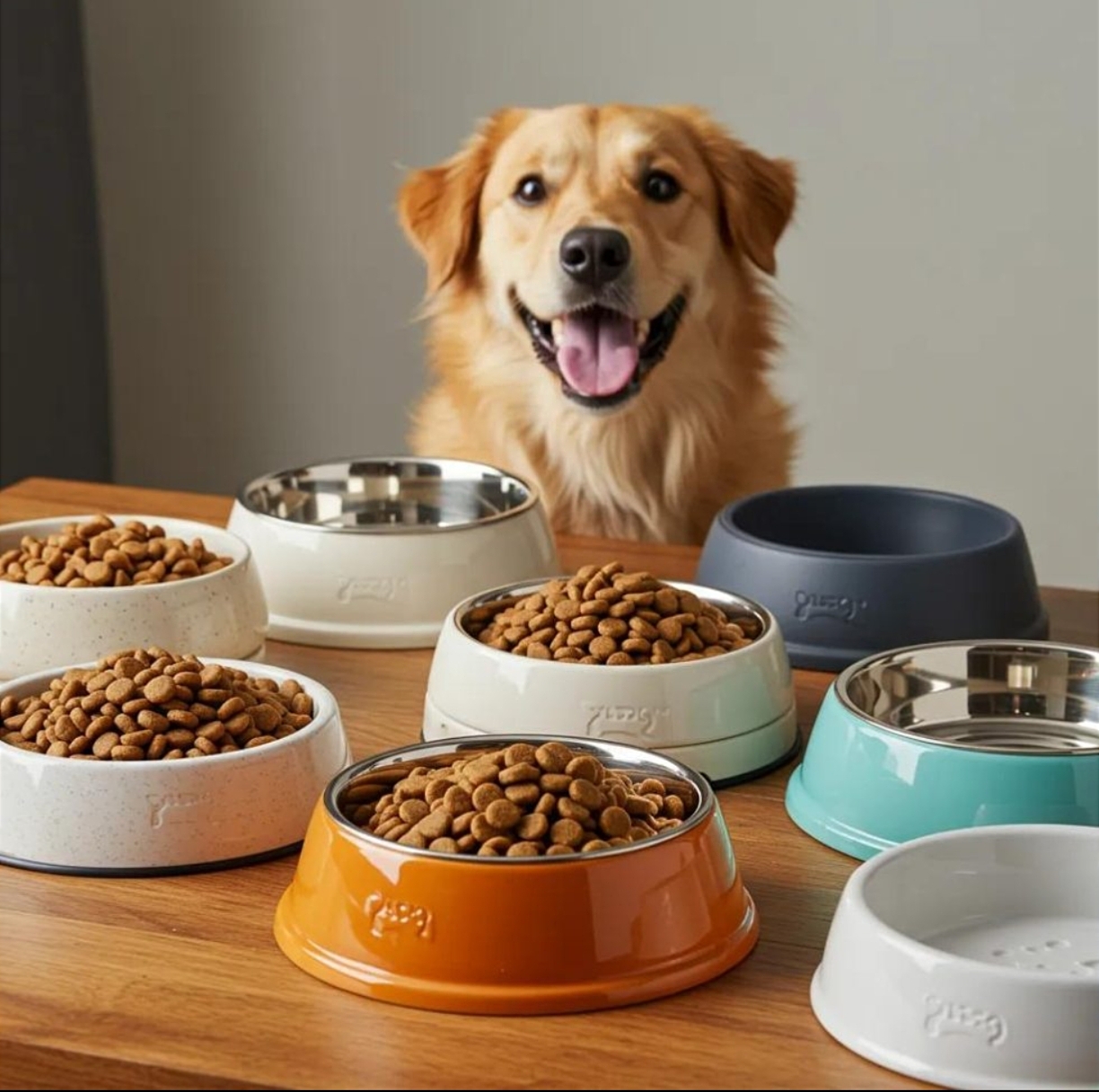
How Premium Freeze-Dried and Human-Grade Dog Foods Support Longevity and Health
As a dog owner, you want your best friend to live a long, healthy, and vibrant life. While genetics, exercise, and veterinary care play essential roles in canine longevity, nutrition is one of the most controllable factors you can influence. Premium freeze-dried and human-grade dog foods are gaining popularity in 2026 because they offer whole, minimally processed ingredients that many pet parents believe support better health outcomes. But do they really make a difference? Let’s explore what the research shows and how to choose quality options for your dog.
Nutrition’s Role in Dog Longevity
A dog’s diet directly influences their health span—the number of years they live in good health, not just how long they survive. Quality nutrition supports immune function, maintains lean body weight, protects cognitive health, and reduces inflammation associated with chronic diseases.
Key Nutritional Elements for Longer Lives
- High-Quality Protein: Supports muscle maintenance, which naturally declines with age. Protein from named meat sources (not vague “meat by-products”) is easier for dogs to digest and utilize.
- Healthy Fats: Omega-3 and omega-6 fatty acids reduce inflammation and support joint, brain, and coat health.
- Limited Processing: Minimally processed foods retain more heat-sensitive nutrients like vitamins and antioxidants.
- Lower Fillers: Reducing corn, soy, and low-quality grains helps maintain stable blood sugar and reduces inflammatory responses.

High-quality dog food contains recognizable, whole ingredients that support better digestion and nutrient absorption.
While premium nutrition alone won’t guarantee a longer lifespan, consistent access to quality food—combined with regular exercise, preventive veterinary care, and mental stimulation—creates the best possible foundation for a long, healthy life.
Freeze-Dried Dog Food: Benefits and Considerations
Freeze-drying is a preservation method that removes water from fresh ingredients while maintaining nutrient density. The result is lightweight, shelf-stable food that closely resembles the nutritional profile of fresh, raw diets.
Why Pet Parents Choose Freeze-Dried Options
- Nutrient Retention: Freeze-drying uses low temperatures, preserving heat-sensitive vitamins, minerals, and enzymes better than traditional cooking.
- Ingredient Visibility: You can literally see chunks of meat and vegetables—no mystery by-products or fillers.
- Reduced Additives: Freeze-dried food needs fewer synthetic preservatives.
- Digestibility: Whole, minimally processed ingredients are typically easier for dogs to digest.
Realistic Considerations
Freeze-dried dog food costs significantly more than kibble. A month’s supply can range from 2–4 times the price of conventional food. Additionally, freeze-dried options still require careful storage (cool, dry conditions) and should be reconstituted with water per package instructions to rehydrate.

Freeze-dried dog food retains ingredient visibility and nutrient density, appealing to pet parents prioritizing quality.
The Association of American Feed Control Officials (AAFCO) doesn’t distinguish between freeze-dried and other formats—all must meet the same nutritional standards. However, freeze-dried options often come from smaller manufacturers prioritizing ingredient quality, which is worth researching.
Understanding Human-Grade Dog Food
“Human-grade” is a marketing term rather than a regulated label in pet food. It generally means ingredients are fit for human consumption and processed in facilities that meet human food standards. However, the FDA doesn’t officially certify pet foods as “human-grade.”
What Human-Grade Actually Means
| Standard Dog Food | Human-Grade Dog Food |
|---|---|
| May contain meat by-products and low-grade proteins | Uses whole meat, organs, and ingredients fit for human consumption |
| Processed in pet food facilities (lower standards) | Produced in USDA-inspected, human-food-grade facilities |
| May include synthetic vitamins and preservatives | Often relies on natural preservation methods |
| Less ingredient transparency typical | Front-of-package ingredient lists are usually transparent |
Evaluating Human-Grade Claims
Not all “human-grade” products are equally rigorous. Look for:
- Clear identification of USDA inspection or certification
- Specific meat sources (not vague terms like “poultry meal”)
- Transparent sourcing information on their website
- Third-party testing results or recalls history

Human-grade dog foods are formulated with ingredients suitable for human consumption, emphasizing quality and transparency.
How to Choose Longevity-Focused Dog Food
Step 1: Consult Your Veterinarian
Your dog’s age, breed, size, health status, and activity level all influence nutritional needs. A vet can recommend specific calorie ranges, protein levels, and any ingredients to avoid based on your dog’s individual health profile.
Step 2: Read the Ingredient List Carefully
The first three ingredients are most concentrated. Look for named meat sources (chicken, beef, lamb) rather than “meat meal” or “by-products.” Avoid artificial colors, flavors, and preservatives like BHA, BHT, and ethoxyquin.
Step 3: Check AAFCO Certification
Verify that the food meets AAFCO standards for your dog’s life stage (puppy, adult, or senior). This ensures minimum nutritional adequacy, though it doesn’t measure quality.
Step 4: Transition Gradually
Switching to premium food too quickly can cause digestive upset. Mix increasing amounts of the new food with the old over 7–10 days, monitoring for any loose stools or nausea.
Step 5: Monitor Your Dog’s Response
Within 4–6 weeks of a dietary change, you should notice improved coat shine, better digestion, steady weight, and increased energy. If your dog shows allergic reactions (itching, vomiting, diarrhea), return to your vet for guidance.

Reading and understanding dog food labels helps you make informed choices aligned with your dog’s health goals.
Frequently Asked Questions About Longevity Dog Food
Supporting Your Dog’s Longevity
Choosing a premium freeze-dried or human-grade dog food is a meaningful investment in your dog’s health and potentially their lifespan. These options offer nutrient density, ingredient transparency, and reduced fillers that many pet parents believe support better long-term health outcomes.
However, food is just one piece of the puzzle. Combine quality nutrition with regular exercise for dogs, consistent veterinary care, mental enrichment for senior dogs, and weight management for the best chance at supporting a long, vibrant life.
Start by discussing your dog’s nutritional needs with your veterinarian, carefully evaluate brands based on transparency and safety standards, and transition gradually to monitor how your dog responds. Small dietary upgrades can lead to noticeable improvements in energy, coat quality, and overall vitality.
Leave a Reply