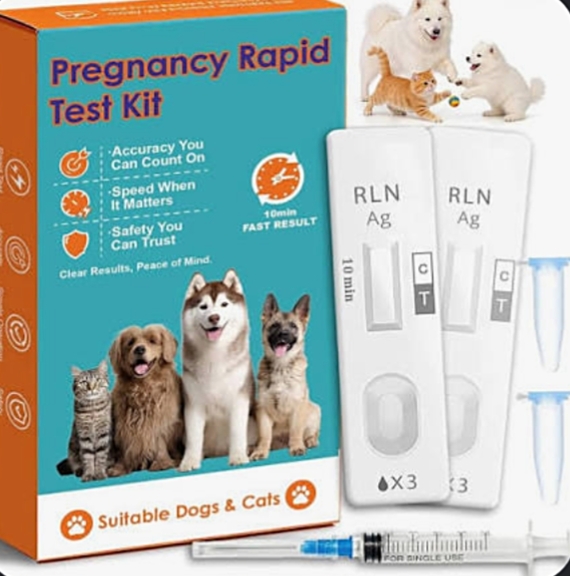
At-Home Pet Health Testing Kits in 2026: A Complete Guide to DIY Diagnostics for Dogs & Cats
Wondering if an at-home pet health testing kit can actually catch a problem early? In 2026, DIY diagnostics for dogs and cats have grown well past simple breed tests — now covering urinary health, gut microbiome, allergies, and more. These kits can be a handy screening tool, but they’re not a substitute for veterinary diagnosis. Here’s what they check, how reliable they are, and how to use one the right way.
What Are At-Home Pet Health Testing Kits?
At-home pet health testing kits let owners collect a sample — urine, saliva, stool, or a cheek swab — at home and either read the results themselves or mail the sample to a lab. They’re marketed as a convenient way to keep tabs on your dog or cat’s health between wellness exams, especially for pets with a history of urinary issues, allergies, or breed-specific risks.
Common Types of At-Home Pet Tests
| Test Type | What It Screens For |
|---|---|
| Urine test strips | pH, glucose, protein, blood — early urinary or kidney concerns |
| DNA/breed test kits | Breed ancestry and some inherited health markers |
| Fecal parasite tests | Common intestinal parasites |
| Allergy/sensitivity panels | Environmental or food sensitivity indicators |
| Microbiome tests | Gut bacteria balance (mainly for cats) |
How Accurate Are At-Home Pet Diagnostic Kits?
Accuracy varies by test type and brand, and results should always be treated as a starting point, not a final answer. The American Veterinary Medical Association (AVMA) encourages regular veterinary checkups even when owners use home monitoring tools, since clinical labs run quality controls and follow-up testing that at-home kits generally can’t replicate.
That doesn’t mean these kits are useless — a positive result (like blood or glucose in urine) is a strong reason to book a vet visit sooner rather than later. A “normal” result, though, doesn’t rule out a health issue; it just means nothing was flagged on that particular test.
How to Choose the Right Test for Your Dog or Cat
Start with your pet’s specific risk factors. A senior cat prone to kidney issues benefits most from urine screening, while a mixed-breed puppy might get more value from a DNA panel to flag inherited conditions early. If your pet has ongoing digestive or skin issues, ask your vet whether an allergy or microbiome test is appropriate before purchasing one — some symptoms need diagnostic imaging or bloodwork instead.
Learn more about recognizing early signs of urinary tract issues in cats before deciding which test fits your pet’s needs.
Signs You Should Skip the Kit and Call Your Vet
- Straining to urinate or no urine output (especially in male cats — this can be an emergency)
- Repeated vomiting or diarrhea
- Visible blood in urine or stool
- Difficulty breathing, collapse, or extreme lethargy
- Suspected poisoning or toxic ingestion
For urgent situations, the ASPCA Animal Poison Control Center and your local emergency vet should always take priority over any home test kit. See our guide on common toxic foods for dogs and cats for related safety info.
Step-by-Step: Using an At-Home Pet Health Test Kit Correctly
- Read the full instructions before collecting any sample.
- Collect samples at the recommended time (some urine tests need a first-morning sample).
- Avoid contaminating the sample with litter, food, or cleaning products.
- Record results or photograph strips promptly — some change color over time.
- Share results with your veterinarian, even if they look normal.
For pets with chronic conditions, pairing home screening with regular exams is worth discussing with your vet — see how to choose the right veterinarian for your pet for guidance. We’re also working on a [FUTURE ARTICLE: How to Read Your Dog’s DNA Test Results] and a [FUTURE ARTICLE: Preventive Pet Care Checklist for 2026] to go deeper on this topic.
Frequently Asked Questions
Are at-home pet health tests accurate?
They can reliably flag certain markers (like glucose or blood in urine), but accuracy varies by brand and test type. Results should be confirmed by a veterinarian, not used as a final diagnosis.
What can at-home dog and cat health tests detect?
Depending on the kit, they may screen for urinary abnormalities, intestinal parasites, breed ancestry, inherited health markers, or allergy indicators.
Can an at-home urine test replace a vet visit?
No. It’s a useful early screening tool, but bloodwork, imaging, and a physical exam are needed for an actual diagnosis.
How much do at-home pet health testing kits cost?
Pricing varies widely by brand and what the test screens for. Check the specific product listing for current pricing before purchasing.
Is it safe to use human health test strips on pets?
No — pet urine chemistry and testing thresholds differ from humans. Always use kits specifically designed and validated for dogs or cats.
When should I see a vet instead of using a home kit?
If your pet shows signs like straining to urinate, blood in urine or stool, repeated vomiting, or sudden lethargy, contact your vet or an emergency clinic right away instead of testing at home.
Want more practical, vet-informed guidance on keeping your dog or cat healthy at home?
Explore More Pet Health Guides on The Happy Pet HubWritten by The Happy Pet Hub Editorial Team
We research pet care topics using veterinary and public health sources to help owners make informed, practical decisions for their dogs and cats.
Leave a Reply