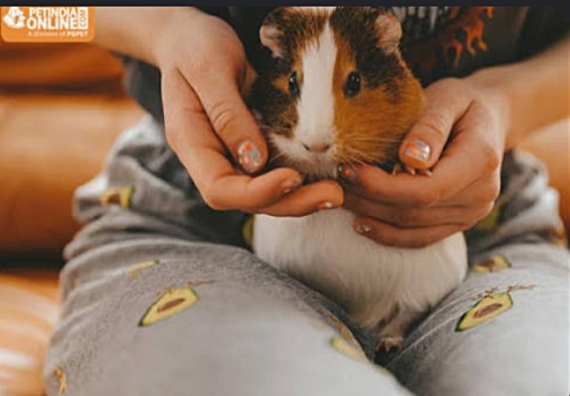
Guinea Pig Care Guide for Beginners: Housing, Diet & Apartment Tips (2026)
Thinking about bringing home a guinea pig, but living in a smaller space? Good news: guinea pigs can absolutely thrive in an apartment when they have the right cage, diet, and daily routine. This guinea pig care guide for beginners breaks down exactly what a first-time owner needs — from housing and feeding to spotting early signs of illness — so you can start off on the right foot.

Is a Guinea Pig a Good Apartment Pet?
Yes — guinea pigs are one of the better small pets for apartment living. They don’t need to go outside, they’re generally quiet, and they don’t require the exercise commitment of a dog. That said, they’re not silent or maintenance-free. Guinea pigs “wheek” loudly when they want food, and they need daily cage cleaning to control odor in a small space.
Before you bring one home, consider:
- Noise: Guinea pigs vocalize, especially at mealtimes. If you share thin walls with neighbors, factor this in.
- Space: You’ll need enough floor space for a cage that’s larger than most store-bought starter kits (more on this below).
- Companionship: Guinea pigs are herd animals and generally do best in same-sex pairs, which means double the cage footprint.
- Lifespan: They typically live 5–7 years, so this is a multi-year commitment, not a short-term trial.
Guinea Pig Housing and Cage Setup
Cage size is the single biggest mistake new owners make — many pet-store cages are far too small. Guinea pigs need room to run, popcorn (a happy hopping behavior), and have separate zones for eating, sleeping, and bathroom areas.
Minimum Cage Size for One or Two Guinea Pigs
| Number of Guinea Pigs | Minimum Floor Space |
|---|---|
| 1 guinea pig | 7.5 sq ft (e.g., 30″ x 36″) |
| 2 guinea pigs | 10.5 sq ft (e.g., 30″ x 50″) |
| 3+ guinea pigs | 13 sq ft or more |
C&C (cubes and coroplast) cages or extra-large wire cages with a solid, non-wire floor are popular options because they’re customizable to fit an apartment corner. Avoid glass aquariums — they trap ammonia odor and restrict airflow.
Keeping Noise and Smell Down in Small Spaces
- Spot-clean soiled bedding daily and do a full cage clean weekly.
- Use absorbent, unscented paper or fleece bedding rather than cedar (cedar shavings can irritate a guinea pig’s respiratory system).
- Place the cage away from direct sun, drafts, and heating vents to keep your pig — and the room — comfortable.
- A washable fleece liner system can cut down on both odor and bedding costs over time.
Looking for space-saving setups? See our guide to small-pet cage ideas for studio apartments [FUTURE ARTICLE: Best Small-Space Cages for Apartment Pets].

Guinea Pig Diet: Hay, Pellets, and Vegetables
A healthy guinea pig diet is built around unlimited grass hay, a modest amount of pellets, and daily fresh vegetables. Unlike most rodents, guinea pigs cannot produce their own vitamin C, so diet plays a direct role in their health.
Daily Feeding Basics
- Timothy hay: Unlimited, available 24/7 — this should make up most of their diet and supports healthy digestion and teeth.
- Guinea pig pellets: A small daily portion, choosing a timothy-hay-based formula (not one mixed with seeds, nuts, or dried fruit).
- Fresh vegetables: A small handful daily — bell peppers, leafy greens, and cilantro are good vitamin C sources.
- Fresh water: Clean water available at all times, changed daily.
Foods to Avoid
Avoid feeding guinea pigs: iceberg lettuce (low nutritional value), raw beans, chocolate, sugary or processed snacks, and anything spoiled or moldy. Introduce new vegetables gradually to avoid digestive upset, and check with your veterinarian before adding any new food to a sensitive guinea pig’s diet.
For a deeper dive, check our complete list of safe and unsafe vegetables for small pets [FUTURE ARTICLE: Guinea Pig Vegetable Feeding Chart].
Guinea Pig Health and When to Call the Vet
Guinea pigs are prey animals, so they often hide signs of illness until a problem is fairly advanced. Daily observation is one of the most important habits a new owner can build.
Signs Your Guinea Pig May Need Veterinary Care
- Reduced appetite or not eating hay for several hours
- Runny or crusty eyes/nose, or labored breathing
- Overgrown or misaligned teeth, or drooling
- Hunched posture, lethargy, or reluctance to move
- Diarrhea or a sudden change in droppings
- Visible weight loss or a swollen area
Because guinea pigs’ digestive systems can decline quickly, any of the signs above are worth a same-day or next-day call to an exotic-animal-experienced veterinarian. Organizations such as the ASPCA and Cornell University College of Veterinary Medicine are helpful starting points for general small-pet wellness information, but they are not a substitute for an in-person exam. This article is educational and does not replace veterinary diagnosis.
Not sure how to find an exotic vet near you? Read our guide to choosing a small-animal veterinarian [FUTURE ARTICLE: How to Find an Exotic Vet for Guinea Pigs and Rabbits].

Frequently Asked Questions
How much space does a guinea pig need in an apartment?
A single guinea pig needs at least 7.5 square feet of cage floor space, and a pair needs closer to 10.5 square feet. Bigger is always better — more space means more room to exercise and reduces stress-related behaviors.
Can guinea pigs live alone?
They can, but it’s not ideal. Guinea pigs are herd animals and generally do best with a same-sex companion. If you can only house one, plan for extra daily interaction and enrichment to prevent loneliness.
What vegetables can guinea pigs eat every day?
Bell peppers, leafy greens like romaine, and cilantro are commonly recommended daily options because of their vitamin C content. Introduce new vegetables slowly and avoid iceberg lettuce, raw beans, and anything spoiled.
How often should I clean a guinea pig cage?
Spot-clean soiled bedding and wipe up droppings daily, and do a full bedding change with a cage wipe-down at least once a week. Apartments in particular benefit from daily spot-cleaning to control odor.
What are signs a guinea pig needs a vet?
Watch for reduced appetite, labored breathing, discharge from the eyes or nose, hunched posture, diarrhea, or sudden weight loss. Guinea pigs hide illness well, so any noticeable change warrants a prompt vet visit.
Are guinea pigs good pets for renters and small apartments?
Generally yes. They don’t need outdoor access and are relatively quiet compared to many pets, but they do vocalize at feeding time and need daily cage maintenance to keep odor under control in a small space.
Ready to set up the perfect first home for your guinea pig? Explore more beginner-friendly small pet guides on The Happy Pet Hub.
Browse More Pet Care GuidesFinal Thoughts
Guinea pigs make wonderful, gentle companions for apartment living when their housing, diet, and health needs are met from day one. Start with a properly sized cage, commit to daily hay and fresh vegetables, and keep a close eye on their behavior so you can catch health issues early. With a little planning, a guinea pig can be a rewarding, low-drama pet even in the smallest apartment.
Want personalized guidance for your space? Check out our related guide on introducing a second guinea pig to your home [FUTURE ARTICLE: How to Bond Two Guinea Pigs Safely], or browse our pet budgeting guide [FUTURE ARTICLE: Real Monthly Cost of Owning a Guinea Pig] before you bring one home.
.JPG)
Written by The Happy Pet Hub Editorial Team
We research and fact-check every guide using veterinary and animal-welfare resources so US pet owners can make confident, informed care decisions. This article is for general education and is not a substitute for professional veterinary advice.
Sources referenced for general guidance: ASPCA (aspca.org), American Veterinary Medical Association (avma.org), Cornell University College of Veterinary Medicine (vet.cornell.edu). Always consult a licensed veterinarian for medical concerns.
Leave a Reply