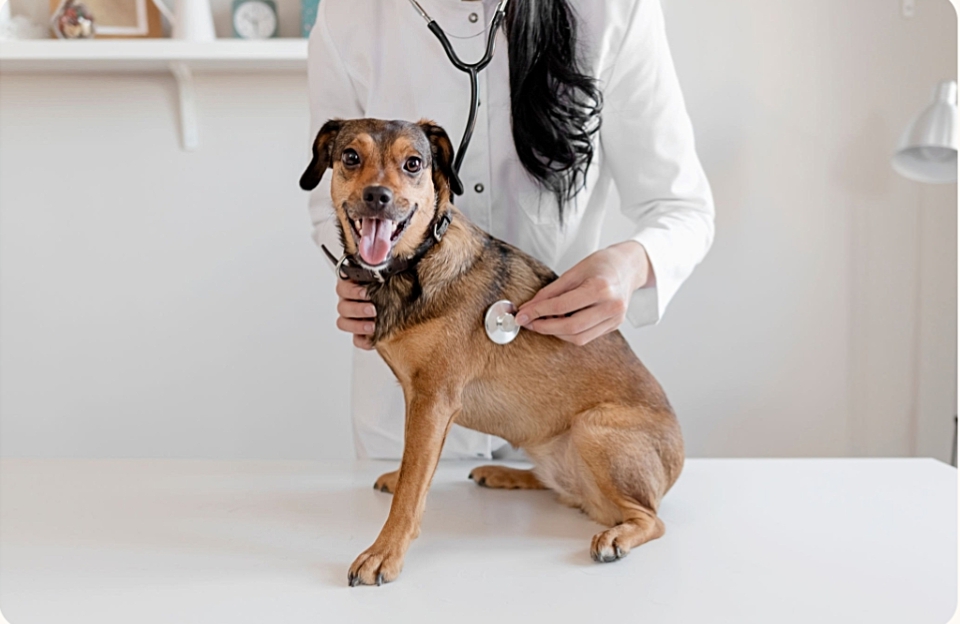
How to Help Your Pet Live Longer: The Ultimate Guide to Preventive Pet Care
Simple, real steps for a longer, healthier life with your dog or cat.

If you’ve ever sat in a vet’s waiting room hoping for good news, you know the feeling. That mix of worry and love is exactly why preventive pet care matters so much. It’s not about being a perfect pet parent. It’s about catching small problems before they turn into big, scary ones. Whether you’re wondering how to help your dog live longer or looking for real ways to increase your cat’s lifespan, this guide covers what actually works, based on facts, not gimmicks.
Preventive Pet Care Trends in 2026
Pet wellness trends in 2026 are leaning heavily toward prevention instead of cure. More vets now recommend twice-yearly checkups for senior pets, not just once. Genetic testing is becoming common for spotting breed-specific risks early. And personalized pet nutrition, food plans built around your pet’s age, weight, and health history, is replacing one-size-fits-all kibble. According to the American Veterinary Medical Association, regular wellness exams remain the single most effective way to catch disease early, when it’s most treatable.

Ways to Help Your Dog Live Longer
Genetics play a role in how long your dog lives, but daily habits matter just as much. Here’s what actually helps:
- Keep them lean. Extra weight strains joints and organs. Ask your vet what a healthy weight looks like for your dog’s breed.
- Support joint health early. Joint support for dogs, especially larger breeds, should start before arthritis sets in, not after.
- Don’t skip dental care. Gum disease is linked to heart and kidney problems down the line.
- Move every day. A daily walk isn’t just exercise. It’s mental stimulation too.
Our internal guide on dog enrichment puzzle toys has more ideas for keeping active dogs engaged indoors.
Ways to Increase Your Cat’s Lifespan
Cats hide illness well, which is exactly why prevention matters so much for them. Indoor cats tend to live longer simply because they avoid traffic, predators, and disease exposure. Beyond that, pet mental enrichment plays a bigger role than most owners realize. Bored cats can develop stress-related health issues over time.

Simple additions like window perches, puzzle feeders, and short daily play sessions give your cat’s mind something to do. Pair that with annual bloodwork once they hit senior age, and you’re covering both the physical and mental sides of longevity. For more indoor ideas, check our indoor cat mental stimulation post.
Smart Trackers and Personalized Nutrition
Smart pet health trackers have come a long way. Modern collars can log activity, rest patterns, and even flag unusual scratching or licking, which can be early signs of discomfort. They won’t replace a vet, but they give you real data to bring to your next appointment. Combine that with personalized pet nutrition plans, and you’re building a preventive care routine that adapts as your pet ages rather than staying static for their whole life.
Recommended Products for Preventive Pet Care
Nutramax Cosequin Maximum Strength
A widely used joint health supplement for dogs with glucosamine and chondroitin.
View on Amazon
Zesty Paws Core Elements Multivitamin
A daily multivitamin chew supporting immune and joint health in senior dogs.
View on Amazon
Fi Series 3 GPS Smart Dog Collar
Tracks activity, sleep, and location, useful for spotting changes in senior dogs.
View on Amazon
Outward Hound Nina Ottosson Puzzle Toy
A well-known interactive puzzle feeder for mental enrichment in dogs and cats.
View on AmazonFrequently Asked Questions
What is preventive pet care?
It means acting before problems start, through vet checkups, vaccines, dental cleanings, good nutrition, and exercise, instead of only treating illness after it shows up.
How can I help my dog live longer?
Keep them lean, feed a balanced diet, book annual vet visits, support joints early, and give daily physical and mental exercise.
What increases a cat’s lifespan?
Indoor living, routine vet care, dental health, healthy weight, and mental enrichment like puzzle feeders and climbing spaces.
At what age is a pet considered senior?
Most dogs reach senior status around 7 years old, earlier for large breeds. Cats are usually considered senior around 10 to 11 years old.
Final Thoughts
None of this requires a complete lifestyle overhaul. Small, consistent choices, a joint supplement here, a puzzle toy there, a vet visit you don’t put off, add up to real years with your pet. Start with one change this week. Your future self, and your pet, will thank you. Explore our complete preventive pet healthcare hub for more guides like this one.

Priya writes about pet health and wellness for The Happy Pet Hub, focused on practical, research-backed care tips for dog and cat owners.
Leave a Reply