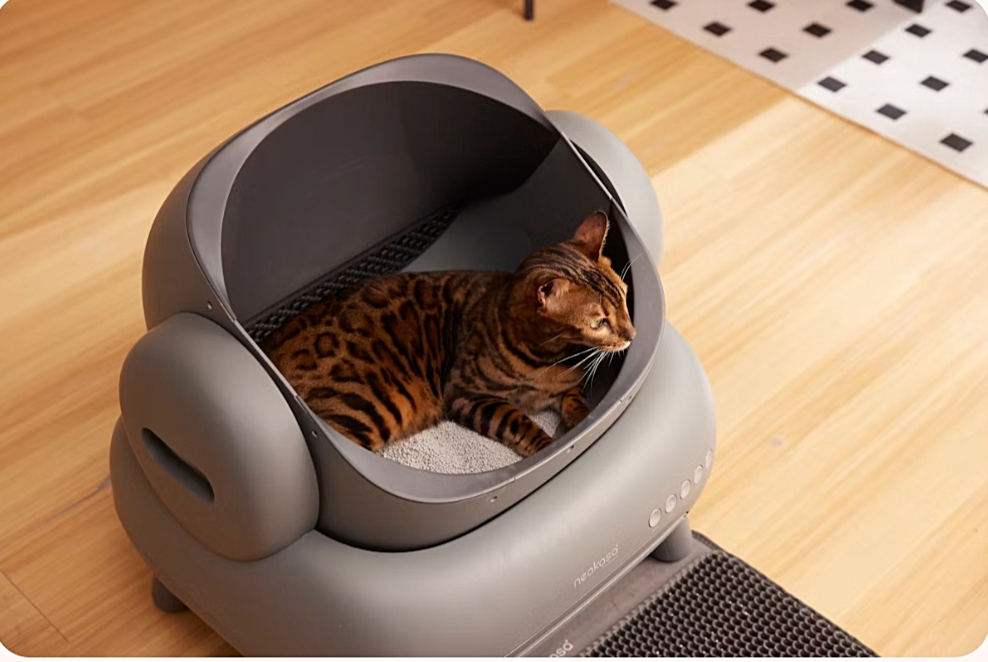
Best Automatic Litter Boxes 2026: Self-Cleaning Models That Actually Work
Real reviews, no fluff — just what to buy and why.

I scooped litter every single morning for six years before I caved and bought a self-cleaning box. My only regret is not doing it sooner. If you’re on the fence, here’s an honest look at what’s worth your money in 2026 — and what isn’t.
Why Bother With an Automatic Litter Box
The pitch is simple: the box rakes waste into a sealed bin after your cat leaves, so you’re not smelling it or scooping it twice a day. That matters most if you have more than one cat, a small apartment, or honestly just a busy life. It’s not magic, though. You still empty the bin, still buy litter, and still need to clean the unit itself every few weeks.

Top Picks for 2026
Litter-Robot 4 (Whisker)
This is the one most people ask about, and for good reason. The enclosed globe design uses weight sensors, has a large waste bin, and connects to an app that tracks your cat’s bathroom habits — which can flag health issues early. It’s pricier than most, but the build quality and support from Whisker are solid.
Check Price on AmazonPetSafe ScoopFree Ultra
A more budget-friendly option that uses disposable crystal litter trays, so there’s no scooping and less mess handling overall. The tradeoff is ongoing costs for replacement trays, but it’s a great starter option if you want to try automatic cleaning without a big upfront investment.
Check Price on AmazonPETKIT PURA X
Compact and quieter than a lot of competitors, which matters if your litter box lives near a bedroom. It has odor-control deodorization and app monitoring too, at a lower price point than the Litter-Robot line.
Check Price on AmazonCATLINK Pro
A solid middle-ground pick with a large capacity bin, good for multi-cat homes that don’t want to empty it constantly. The app is a bit less polished than Whisker’s, but the core cleaning mechanism is reliable.
Check Price on AmazonWhat to Check Before You Buy
Not every cat takes to these right away. Before you buy, think about:
- Size and weight limits — most units need cats over 5 pounds to trigger sensors safely.
- Noise level — the rake cycle isn’t silent. If your cat startles easily, look for models with a delay timer.
- Litter type — some machines only work well with clumping clay litter, others are built for crystals.
- Bin capacity — more cats means more waste, so a bigger bin saves you trips.
For general guidance on litter box setup and cat bathroom behavior, the ASPCA’s litter box guide is a good starting point, and the Cornell Feline Health Center covers health signs worth watching for.

Odor Control: What Really Helps
The single biggest odor improvement isn’t the machine itself — it’s how fast waste gets sealed away. A box that rakes within minutes of use, paired with carbon-filter deodorizers, makes a noticeable difference within the first week. Emptying the bin on schedule matters more than any fancy feature.
Curious how these compare to freeze-dried food storage or other pet gear upgrades? Check out our guide on choosing the right cat litter for sensitive paws and our breakdown of the best robot vacuums for homes with pets.
Frequently Asked Questions
Are automatic litter boxes safe for cats?
Yes, most modern models use weight sensors and infrared detection to avoid raking while a cat is inside. That said, kittens under 5 pounds and cats with mobility issues should stick to a manual box until they’re bigger or steadier.
How often do you still need to empty the waste bin?
With one cat, most sealed-bin models need emptying every 7 to 14 days. With two or more cats, expect every 3 to 5 days depending on bin size.
Can multiple cats share one automatic litter box?
Many can, but vets generally recommend one box per cat plus one extra, even with self-cleaning models, to reduce territorial stress and litter box avoidance.
Do automatic litter boxes actually cut down on odor?
Yes, because waste gets sealed away right after use instead of sitting in an open tray. It’s one of the biggest real-world differences owners notice in the first week.
Final Thoughts
An automatic litter box won’t fix every cat behavior issue, but it will save you time and cut down on smell — and honestly, that’s worth a lot on a busy week. If you’re ready to stop scooping by hand, start with the Litter-Robot 4 if budget allows, or the PetSafe ScoopFree Ultra if you want to test the waters first.
Have a favorite model we didn’t mention? Drop it in the comments — we’re always updating this list as new tech comes out.

Pet care writer at The Happy Pet Hub, covering practical, tested advice for cat and dog owners across the US.
Leave a Reply