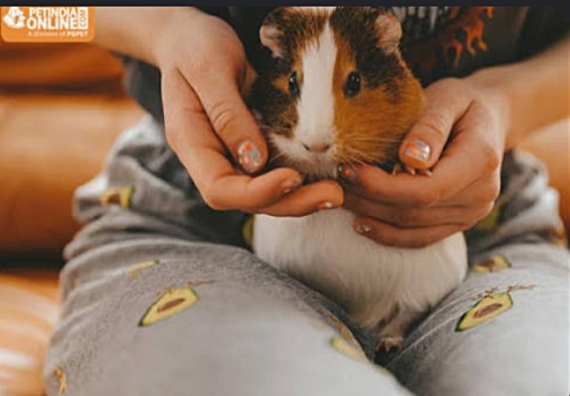
Why Guinea Pigs Are 2026’s Hottest Pet Trend (Plus A Beginner’s Care Guide)

My neighbor got two guinea pigs last spring. She lives in a one-bedroom apartment and works long hours. I figured she’d regret it within a month. She didn’t. Now her whole living room smells like fresh hay, and her guinea pigs “wheek” the second she opens the fridge.
That’s basically the story behind this whole trend. More people are craving a pet that fits small spaces, doesn’t need walks, and still feels like a real companion. This guide covers guinea pig care for beginners in 2026, from setup to daily diet, so you know exactly what you’re getting into.
Why Is Everyone in the US Buying Guinea Pigs in 2026?

Rent went up. Apartments got smaller. And hybrid work means more people are actually home to notice a pet exists. Put those together and this trend makes a lot of sense.
Guinea pigs don’t need a yard or daily walks. They fit in a bedroom corner, making them one of the best pets for apartments in 2026. With grocery and vet bills already tight, first-time owners also like that guinea pigs cost far less to feed and house than a dog or cat.
Guinea Pig Care 101: What Beginners Need to Know

Before you bring one home, there are three things every beginner needs to understand. Skip any of these and you’ll run into problems fast.
The 4-Square-Foot Rule
Most pet store cages are marketed for guinea pigs but are honestly too small. Guinea pigs need floor space to run, not levels to climb. The general rule is at least 7.5 square feet for one guinea pig, and since they shouldn’t live alone, plan for closer to 10.5 square feet for a pair. A C&C cage or a large adjustable playpen setup works better than most boxed store cages.
The “Social Need”: Why You Must Adopt Them in Pairs

Guinea pigs are herd animals. A lone guinea pig can get lonely and stressed, even with plenty of human attention. Rescues and vets almost always recommend adopting two of the same sex together. It also means more of that popcorning and chattering you see in videos, since they play off each other.
The Vitamin C Diet: Timothy Hay and Fresh Veggies
This part is non-negotiable. Guinea pigs can’t produce their own vitamin C, so it has to come from their food every day, or they risk scurvy. Their daily diet needs:
- Unlimited timothy hay, available all day
- A cup of fresh veggies daily (bell peppers, romaine, cucumber)
- A small measured amount of fortified pellets
- Fresh water, changed daily
For more on safe foods, the ASPCA’s guinea pig care guide is a solid, trustworthy reference.
Are Guinea Pigs the Right Pet for You?

Compared to hamsters, guinea pigs are more social and active during the day, since hamsters are nocturnal loners. Compared to cats, they need far less space and no litter box, but can’t be left alone for a long weekend without a sitter.
If you want daily interaction, don’t need outdoor space, and can commit to a pair, guinea pigs are a genuine low maintenance pet for families. Want more independence? A cat still wins. Barely notice your pet exists? Try a hamster instead.
Recommended Products for New Guinea Pig Owners
A vitamin C-fortified pellet that’s a staple in most guinea pig households.
Check Price on AmazonSun-cured timothy hay for daily unlimited grazing, the backbone of a healthy guinea pig diet.
Check Price on AmazonA roomy starter cage with solid flooring, good for a first-time two-guinea-pig setup.
Check Price on AmazonA safe hideout and chew toy in one, great for shy or new guinea pigs settling in.
Check Price on AmazonFrequently Asked Questions
Yes. They’re gentle and quiet, though they do need daily veggies and a same-sex companion.
Not recommended. They’re herd animals and do better in pairs.
Unlimited hay, fresh veggies, a small amount of pellets, and a vitamin C source.
Yes, a pair fits comfortably in most apartments and they’re much quieter than many other pets.
Final Thoughts
Guinea pigs aren’t a trendy accessory. They’re real animals with real needs, but for apartment dwellers who want a companion without the walks or the litter box, they’re a genuinely good fit. If you’re ready to bring a pair home, start with the 7.5-square-foot rule, get their vitamin C diet sorted, and give it a few weeks. You’ll probably end up like my neighbor, wheeked at every time you open the fridge.
Thinking about getting guinea pigs? Check out our full apartment pet comparison guide before you bring them home.

We research and write pet care guides based on real veterinary sources and first-hand pet ownership experience.
Leave a Reply