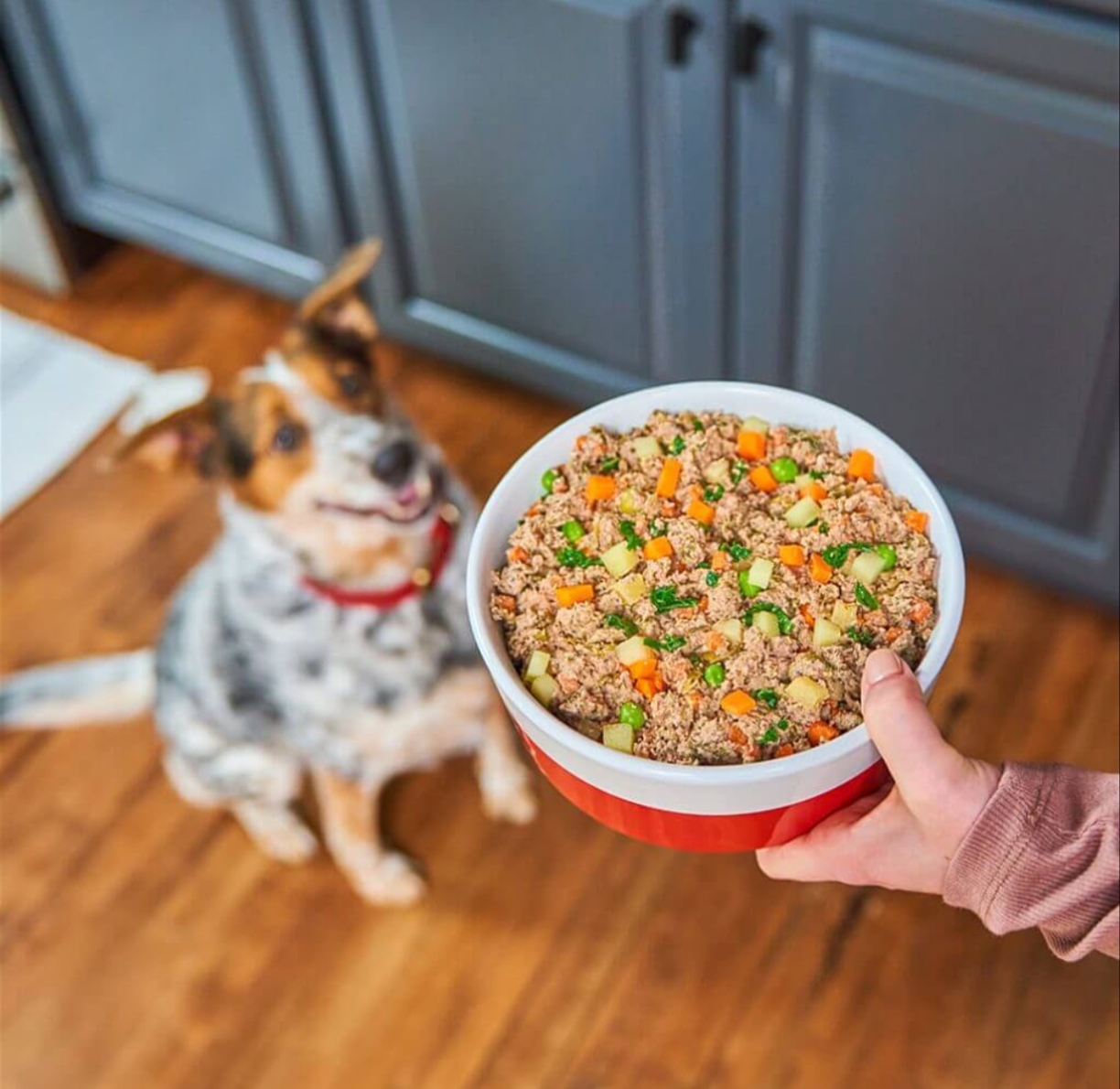
Human-grade dog food vs kibble

Human-Grade Dog Food vs. Kibble: Which One Helps Your Dog Live Longer?
Published by The Happy Pet Hub · Updated July 2026
Standing in the pet food aisle, you’ve probably asked yourself the same question I have: is that $70 bag of “human-grade” food actually going to help my dog live longer, or am I just paying for better marketing? It’s a fair question, and it deserves a straight answer, not a sales pitch.
Table of Contents
What “Human-Grade” Actually Means
The term isn’t just a feel-good phrase. Under AAFCO guidelines, a food can only be labeled human-grade if every single ingredient, and the facility that makes it, meets the same standards used for food humans eat. That’s a much higher bar than “premium” or “natural,” which have no legal definition at all.
In practice, this usually means fresher meat, fewer fillers, and gentler cooking methods that keep more nutrients intact. It doesn’t automatically mean the food is nutritionally complete, though — you still need to check that it’s formulated to meet AAFCO nutrient profiles for your dog’s life stage.

What Kibble Gets Right (and Where It Falls Short)
Kibble isn’t the villain a lot of blogs make it out to be. Reputable kibble brands undergo feeding trials, work with veterinary nutritionists, and are formulated for long shelf life and consistent nutrition batch after batch. That consistency matters, especially for dogs with health conditions that need a precise diet.
Where kibble can fall short is ingredient quality on the cheaper end of the market — think meat meals, corn fillers, and heavy preservatives. Higher-end kibble brands close that gap significantly, so “kibble” alone isn’t a fair comparison; the brand and formula matter more than the format.

Does Diet Really Change How Long a Dog Lives?
This is where I have to be honest with you: there’s no single study that says “feed human-grade food and add three years to your dog’s life.” What research does consistently show is that maintaining a lean body weight, avoiding obesity, and feeding a nutritionally complete diet are strongly linked to longer, healthier lives in dogs, according to the American Veterinary Medical Association.
Both human-grade fresh food and well-formulated kibble can support that goal. The bigger risk factors for shorter lifespans are overfeeding, poor-quality fillers, and skipping preventive vet care — not simply the food’s category.
The Real Cost: Is Human-Grade Worth It?
Fresh, human-grade meals typically cost two to four times more than mid-range kibble. For a lot of families, that’s simply not sustainable long-term, and that’s okay. A quality kibble, fed at the right portion size with regular vet checkups, is a completely responsible choice.
If your budget allows, a hybrid approach works well for many dogs: a solid kibble base with fresh, human-grade toppers a few times a week. You get some of the palatability and nutrient density benefits without the full price tag. For more on stretching your pet budget, see our [Internal Link: Affordable Preventive Pet Care Guide].

Frequently Asked Questions
Does human-grade dog food actually help dogs live longer?
There’s no direct study proving human-grade food extends lifespan on its own. What matters most is nutritional completeness and a healthy weight, both of which human-grade and quality kibble can provide.
Is kibble bad for senior dogs?
No. Many senior-specific kibble formulas are designed with joint support and controlled calories in mind. Talk to your vet about the best option for your dog’s age and health.
Can I mix human-grade food with kibble?
Yes, many owners use fresh food as a topper over kibble. Introduce it gradually to avoid stomach upset.
Is human-grade dog food safe for puppies?
Only if it’s formulated to meet AAFCO growth nutrient profiles. Not all human-grade products are appropriate for puppies, so always check the label.
Vet-Recommended Products to Compare
The Honest Kitchen Human-Grade Dog Food
Dehydrated, human-grade whole food base you rehydrate at home.
Check PriceStella & Chewy’s Freeze-Dried Raw
Raw, minimally processed formula with real muscle meat and organs.
Check PricePurina Pro Plan Senior 7+
Vet-trusted kibble formulated for aging joints and lean muscle.
Check PriceFinal Thoughts
There’s no universal “best” here. What actually helps your dog live a longer, healthier life is a nutritionally complete diet, a healthy weight, and regular vet visits — whether that food comes from a bag or a fridge. Talk to your vet about your dog’s specific needs before switching foods, and make any transition gradual over 7–10 days.
Want more budget-friendly ways to support your dog’s long-term health? Check out our [Internal Link: Preventive Pet Care on a Budget] and [Internal Link: Senior Dog Summer Care Guide].

We’re pet parents and researchers who read the studies so you don’t have to. Our goal is honest, practical guidance for every dog owner.
Leave a Reply