Is Raw Feeding Safe for Dogs in 2026? A Beginner’s Guide (Plus Meal Plan)
An honest, no-hype look at raw dog food — the real risks, the real upsides, and how to start without stressing yourself out.

I get it. You’ve watched a dozen raw-feeding videos, your dog’s coat could use a boost, and now you’re wondering if kibble has been letting your best friend down this whole time. Or maybe a vet mentioned it in passing and you walked out with more questions than answers.
Raw feeding isn’t a fad and it isn’t a miracle either. It’s a real feeding method with real trade-offs. Let’s walk through what it actually involves, what the safety concerns really are, and how to try it without winging it.
What Is Raw Feeding, Exactly?
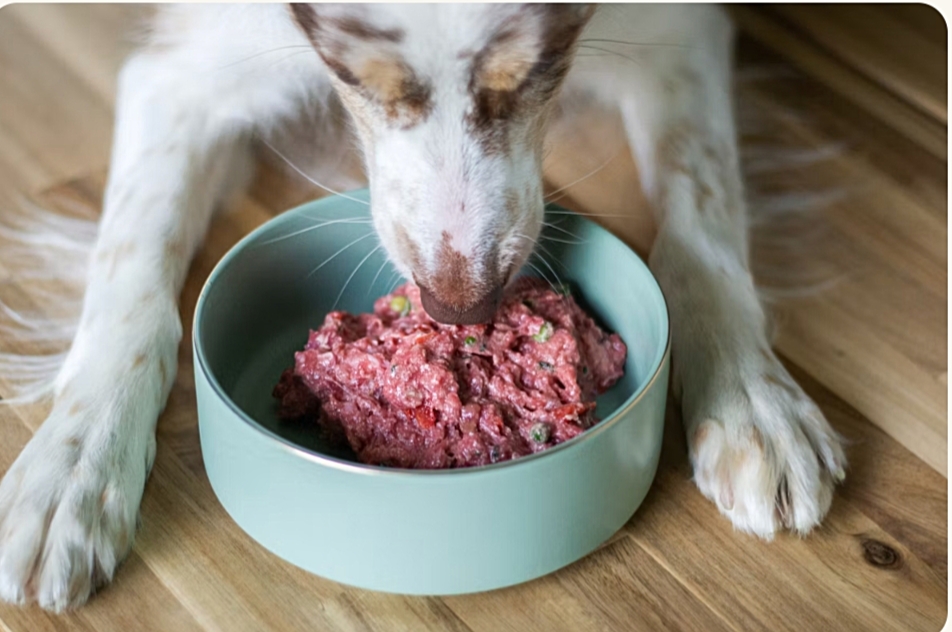
Raw feeding means giving your dog uncooked meat, bones, organs, and sometimes vegetables instead of processed kibble or canned food. Two common approaches are the BARF diet (Biologically Appropriate Raw Food, which includes some fruit and veg) and the prey model diet, which sticks closer to what a wild canine would eat: mostly meat, bone, and organ.

Neither version is “cooking a steak for your dog.” It’s meant to be a complete diet built over days and weeks, not a single meal.
Is Raw Feeding Safe? What Vets Actually Say
This is where it gets nuanced. The American Veterinary Medical Association (AVMA) discourages feeding raw or undercooked animal proteins, mainly because of pathogen risk — think Salmonella and Listeria — that can affect both dogs and the humans handling their food.
The FDA has echoed similar concerns, especially for households with young kids, elderly family members, or anyone immunocompromised, since bacteria can spread through kitchen surfaces, bowls, and even a dog’s saliva after eating.
That doesn’t mean raw feeding is automatically dangerous for every dog. Plenty of healthy adult dogs handle raw diets fine when owners follow strict food safety habits: separate cutting boards, immediate refrigeration, sanitized bowls, and hand washing after every meal prep. The risk isn’t the raw meat itself so much as sloppy handling.
If your household includes anyone with a weaker immune system, or if your dog has an existing health condition, talk to your vet before switching. This is genuinely one of those “check with your vet first” situations, not just a formality.
Getting Started: A Simple Beginner Meal Plan
Most raw feeders start with a rough ratio: about 80% muscle meat, 10% raw edible bone, and 10% organ meat (half of that liver). It’s a common starting framework, not a rigid rule, and it should be adjusted with your vet or a canine nutritionist over time.

A simple week-one plan for a healthy adult dog might look like:
- Days 1–2: Introduce one new protein (like chicken) slowly, mixed with their current food.
- Days 3–5: Full raw meals of that single protein, portioned to their normal calorie needs.
- Days 6–7: Add organ meat in small amounts, watching stool and energy.
If fully raw feels like too much at once, freeze-dried raw toppers are a gentler entry point — same real ingredients, less handling risk, and no freezer prep required.
Raw Feeding Mistakes Beginners Make
The most common one: treating raw feeding as “just meat.” Dogs need a balanced mix of nutrients over time, and skipping organ meat or bone content for weeks can lead to real deficiencies.
Second: feeding cooked bones. Cooked bones splinter and can cause serious injury. Raw bones, appropriately sized for your dog, are the safer option — but always supervise.

Third: switching too fast. Sudden diet changes upset digestion. Go slow, watch stool consistency, and back off if things look off.
Helpful Raw Feeding Products We’d Actually Use
Stella & Chewy’s Freeze-Dried Dinner Patties
Complete meals, easy to rehydrate or serve dry.
Check PriceVital Essentials Freeze-Dried Mini Nibs
Small-format raw nibs, handy for training or topping meals.
Check PriceFrequently Asked Questions
Is raw feeding actually safe for dogs?
It carries real pathogen risks that vets take seriously, but many owners manage those risks successfully with strict food safety habits and vet guidance. It’s not risk-free, and it’s not automatically dangerous — it depends on execution.
Can raw feeding cause food poisoning in humans?
Yes. Salmonella and Listeria from raw pet food can transfer to people through handling, surfaces, or a dog’s saliva. Hand washing and sanitized prep areas are non-negotiable.
Do puppies do well on raw diets?
Puppies have specific, fast-changing nutrient needs, so raw diets for puppies should only be done under close veterinary or canine nutritionist supervision.
What’s an easier alternative to fully raw feeding?
Freeze-dried raw toppers offer similar real-food ingredients with less handling risk and no need for freezer storage or thawing.
Thinking About Making the Switch?
Talk to your vet first, start slow, and keep your kitchen habits tight. Your dog’s gut (and your peace of mind) will thank you.
Read Our Full Dog Nutrition Guide →
Written by the Happy Pet Hub Team
We research pet care topics thoroughly and check claims against veterinary sources before writing a word. No fluff, no fake reviews.
Leave a Reply